Nairobi National Park rules
These are the Nairobi National Park rules every visitor must follow. The park sits on the edge of Nairobi, so the rules protect wildlife that lives right next to a city of millions. Follow them and your drive is safer and better.
Updated 24 October 2026.
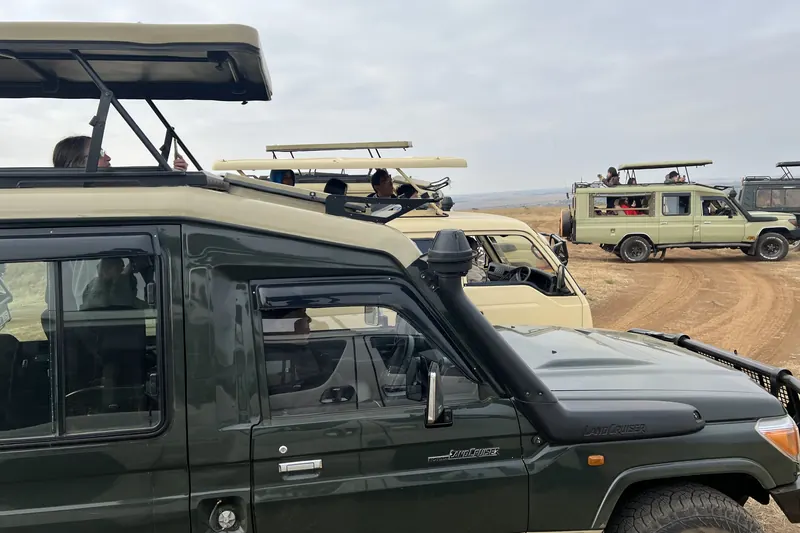
Nairobi National Park rules at a glance
The core rules are simple: enter and leave between 06:00 and 18:00, drive no faster than 40 km/h, stay on the roads, stay in the vehicle except at designated sites, keep 20 m from animals, never feed them, bring no single-use plastic, no pets and no drones without a permit, and pay fees cashless.
| Rule | What it means |
|---|---|
| Opening hours | Gates open 06:00, close 18:00. Exit before dark. |
| Speed limit | 40 km/h (25 mph) maximum. |
| Stay in the vehicle | Only get out at designated sites, doors closed while driving. |
| Roads only | No off-road driving. |
| Viewing distance | At least 20 m from animals. |
| Feeding | Never feed animals. |
| Hooting and noise | No hooting. Keep phones and music low. |
| Plastic and litter | No single-use plastic. Carry all rubbish out. |
| Drones | Not allowed without KWS permission and KCAA approval. |
| Pets | Not allowed. |
| Weapons, hunting, fishing | Banned unless authorised. |
| Alcohol | No driving under the influence. |
| Fees | Cashless only, via eCitizen or KWS Pay. |
| Rangers | Follow ranger instructions at all times. |
When can you enter Nairobi National Park?
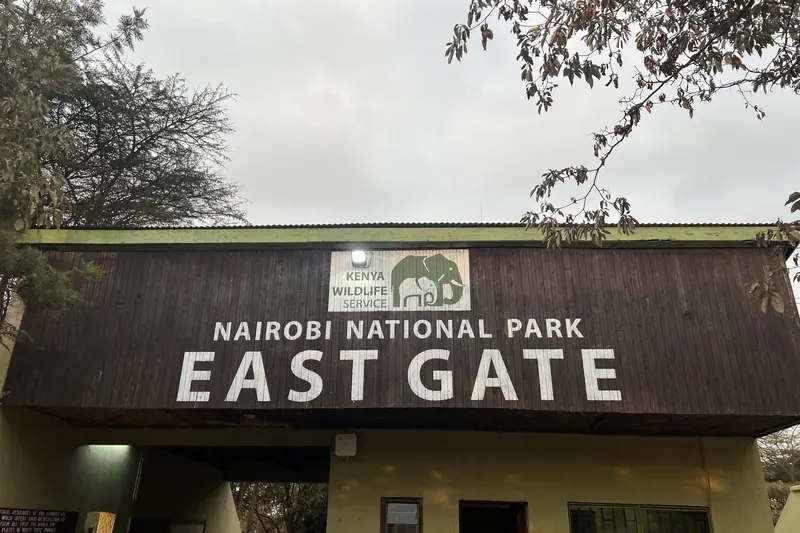
Nairobi National Park gates open at 06:00 and close at 18:00 every day. Unless you have an overnight booking, you must be out of the park before dusk. Driving in the park after dark is not part of a normal day visit.
Enter only during official hours and pay the entry fee before you go in. All our tours pick you up at 05:00 so you reach the gate at 06:00, when the animals are most active.
Why it matters: Predators hunt at dawn and dusk, and rangers need to know who is still inside when the gates close.
See opening hours and the park gates.
What are the driving rules in Nairobi National Park?
Drivers must obey normal road rules, keep below 40 km/h (25 mph), stay on established roads and never drive off-road. Hooting and driving under the influence are strictly prohibited. Speeding attracts penalties.
Speed limit: 40 km/h
The limit is 40 km/h everywhere in the park.
Why it matters: Animals cross roads without warning, and slow driving keeps dust and noise down for everyone.
Stay on the roads
Off-road driving is strictly prohibited. Vehicles and bikes stay on the roads and trails.
Why it matters: Tyres crush grass, ground-nesting birds and burrows, and tracks scar the plains for years.
Stay in the vehicle
Remain in your vehicle with doors closed, except in designated areas. Get out only where it is approved.
Why it matters: Lions, buffalo and rhinos see a person on foot very differently from a vehicle. Getting out is how people get hurt.
No hooting, no drink-driving
Hooting is banned. So is driving under the influence. Drugs and excessive alcohol are banned too.
Why it matters: A horn can scatter a herd or break up a hunt, and an impaired driver is a danger on narrow tracks.
How close can you get to animals in Nairobi National Park?
Keep at least 20 m from animals, move slowly and quietly, and never feed them. Never tease, provoke or call animals, and must not block or chase them to get a photo. Rangers have the final word at any sighting.
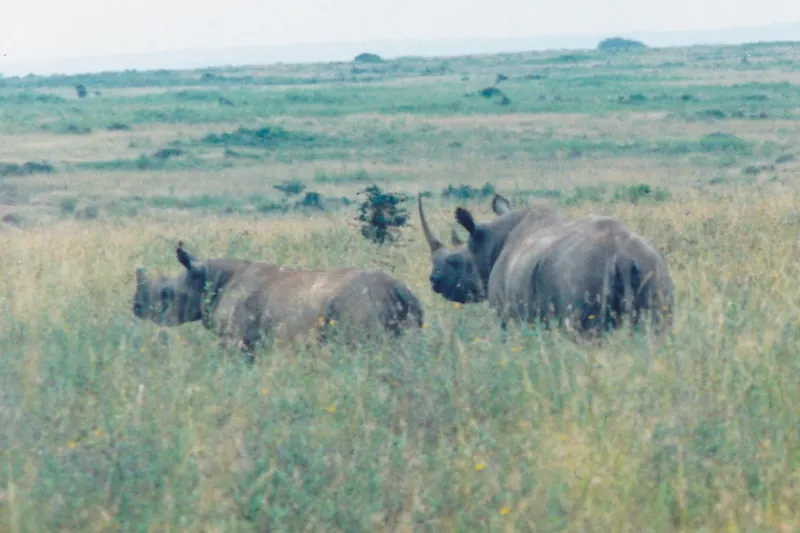
Keep 20 m away
Why it matters: Crowding stresses animals and can push a mother away from her young.
Never feed animals
Feeding upsets their natural diet and makes them depend on people.
Why it matters: Baboons and monkeys that learn to take food from cars become aggressive and may have to be removed.
No teasing, calling or chasing
Do not whistle, bang the car or drive at animals to make them move. Give way to animals on the road.
Why it matters: Disturbed animals waste energy they need to hunt, feed and stay alive.
Follow the rangers
Rangers have the final say. If a ranger tells your driver to move on, move on.
What are the environment rules in Nairobi National Park?
Nairobi National Park is plastic-free. Single-use plastic is banned, and every visitor carries their rubbish out. No littering, no picking plants, no collecting rocks and no disturbing nature. Fires are only for designated picnic sites, and a fire must never be left unattended.
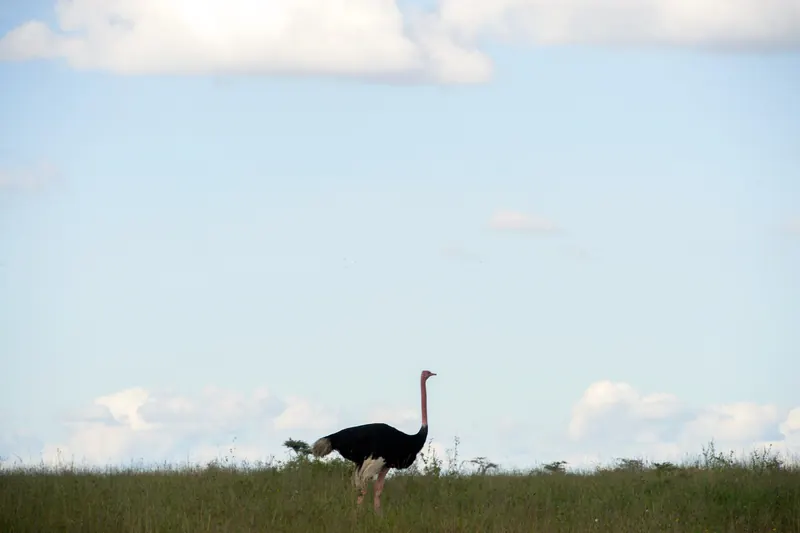
Why it matters: Plastic kills animals that swallow it, and a small fire can spread fast across dry grass.
Keep phones and music low and use them only in designated areas. Respect local culture and ask before you photograph people.
What is not allowed in Nairobi National Park?
Banned in the park: firearms and weapons unless authorised, hunting, fishing and trapping, pets, drones without special permission, drugs and excessive alcohol, littering, and removing plants or rocks. So are single-use plastic, hooting and off-road driving. If in doubt, leave it at home.
- Weapons: no firearms or weapons unless authorised. Why: the park protects animals from poaching.
- Hunting, fishing, trapping: all banned.
- Pets: not allowed. Why: pets disturb wildlife and can draw predators.
- Plants and rocks: leave them. Why: everything in the park is part of the habitat.
- Single-use plastic: banned.
Can you fly a drone in Nairobi National Park?
Not without permission. You need KWS authority to film or photograph in a national park, applied for on the KWS eCitizen portal, plus Kenya Civil Aviation Authority (KCAA) approval: a Remote Operator Certificate, drone registration and insurance. Commercial filming also needs a Kenya Film Classification Board licence and KWS filming fees.
Apply on kws.ecitizen.go.ke under the application for authority to film or photograph in national parks. KWS handles film permits at permitting@kws.go.ke.
Why it matters: Drones scare animals and can collide with birds.
Personal photos from a vehicle need no permit. See our photography safari.
How do you pay Nairobi National Park fees?
Park fees are cashless. Pay through eCitizen or KWS Pay, by card or M-Pesa. Bring valid ID if you are claiming citizen, East African or resident rates. Vehicle entry is charged separately from the per-person fee. Our tour prices never include park fees.
Current rates for non-residents, residents and citizens are on our tickets page, and the payment steps are on how to pay the entry fee.
Why it matters: Gates do not take cash, so pay or set up your account before you arrive and keep your receipt on your phone.
Where can you walk in Nairobi National Park?
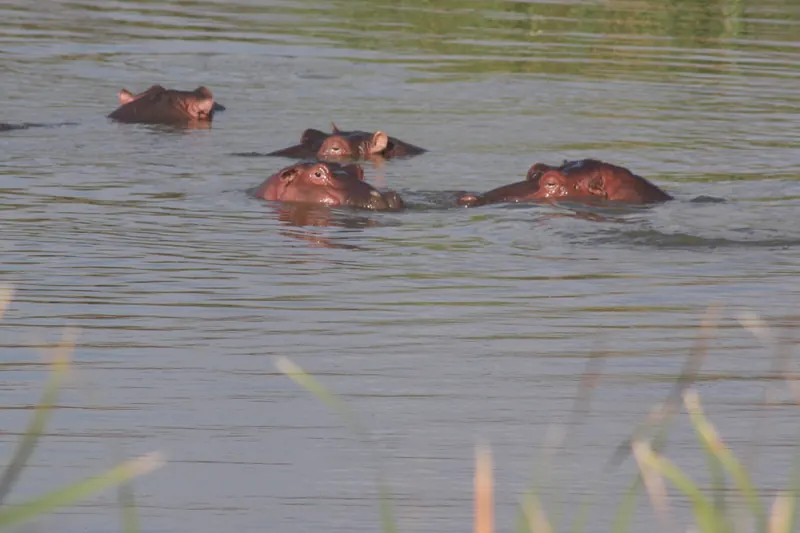
Inside the park, walking is allowed only at designated places. The Hippo Pools trail is the one short walk, with an armed KWS ranger. Outside the fence, the Nairobi Safari Walk and the Nairobi Animal Orphanage near the Main Gate are on foot. Picnic sites and the Ivory Burning Site let you step out.
Entry to the Safari Walk and Orphanage is separate. See Safari Walk entry fees.
Why it matters: Designated sites are checked by rangers, and they are the only places where getting out is safe.
What is the penalty for breaking Nairobi National Park rules?
Under section 102 of the Wildlife Conservation and Management Act 2013, breaching protected area regulations carries a minimum fine of KSh 200,000, or at least two years in prison, or both. Speeding also attracts penalties.
Why it matters: These are criminal offences under Kenyan law, not park etiquette. Your guide will stop the vehicle rather than risk them.
What should you bring to Nairobi National Park?
Bring drinking water, personal effects, a camera, binoculars, sunscreen, insect repellent and sunglasses. Bring water in a refillable bottle because single-use plastic is banned. Add a warm layer for the 05:00 pickup and your ID if you pay a citizen or resident rate.
Our full list is on what to bring on a safari. For terms like pop-up roof or kopje, see the park glossary.
In an emergency, call KWS on 0758 854 363 or toll free 0800 597 000. Visitors enter at their own risk.
Why go with a guide?
A guide knows the rules, the roads and where animals were last seen, so you spend the drive watching wildlife instead of reading a map. Our private tours are priced per group and your group travels alone. Pickup is 05:00 to reach the gate at 06:00. Park fees are paid separately to KWS.
Book a guided drive
Half-day private game drive from $300 per group, full day from $380. Tell us your date and group size.
Nairobi National Park rules FAQ
Short answers to the questions visitors ask most about the rules: opening times, speed, getting out of the car, drones, pets, paying fees, plastic and penalties.
What time does Nairobi National Park open and close?
The gates open at 06:00 and close at 18:00. Visitors without an overnight booking should be out before dusk.
What is the speed limit in Nairobi National Park?
40 km/h, which is 25 mph. Speeding attracts penalties.
Can I get out of the car in Nairobi National Park?
Only at designated places such as picnic sites, the Ivory Burning Site and the ranger-escorted Hippo Pools trail. Everywhere else you stay inside the vehicle.
Are drones allowed in Nairobi National Park?
Not without permission. You need KWS authority to film or photograph, applied for on kws.ecitizen.go.ke, plus Kenya Civil Aviation Authority approval for the drone.
Can I bring my dog to Nairobi National Park?
No. Pets are not allowed.
Can I pay the park fee in cash?
No. Park fees are cashless and paid through eCitizen or KWS Pay. Our tours do not include park fees; you pay KWS directly.
What is the penalty for breaking park rules?
Section 102 of the Wildlife Conservation and Management Act 2013 sets a minimum fine of KSh 200,000, or two years in prison, or both, for breaching protected area regulations, as confirmed in a High Court judgment.
Is plastic allowed in Nairobi National Park?
Single-use plastic is prohibited. Bring a refillable water bottle and carry all rubbish back out of the park.